
Art code
Art code copied
You can't see it in full detail right now, but you certainly will on your wall soon!
Scroll to zoom in, drag to move the artwork.
Drag with your finger to move the artwork.
Already filled more than 375,000 walls!
Get even more inspired
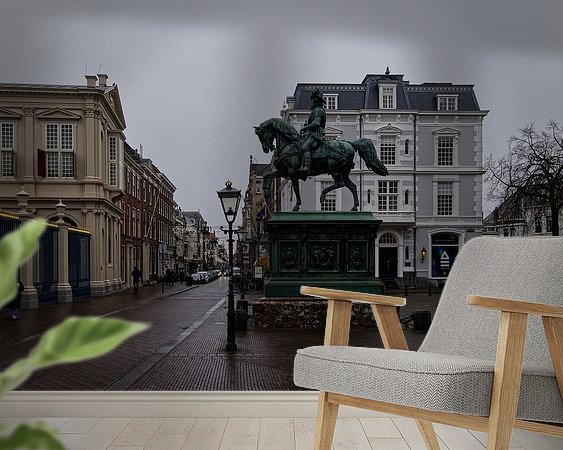
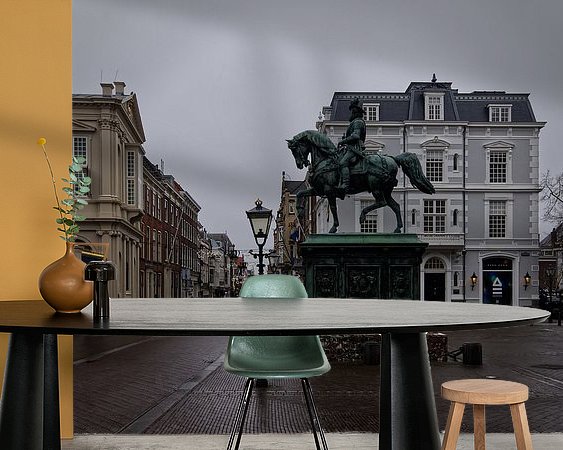
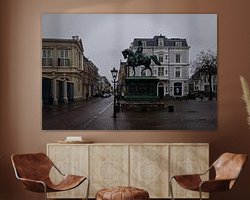
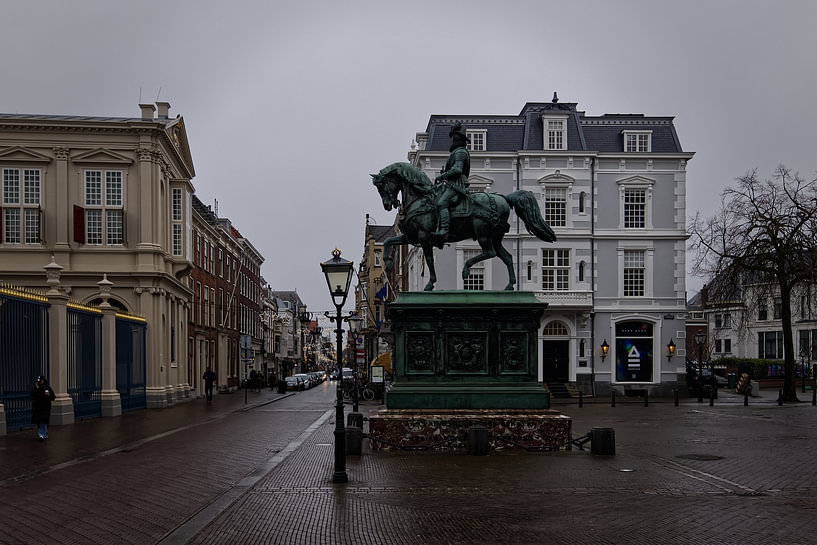
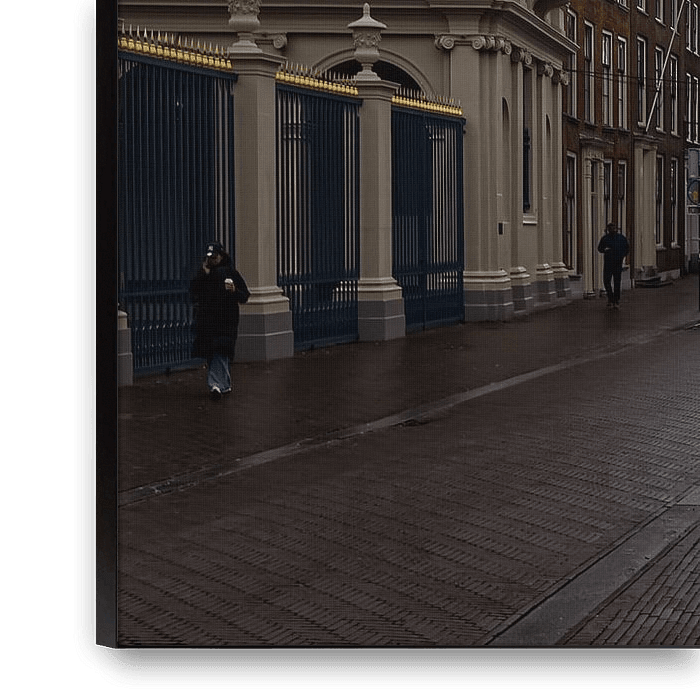
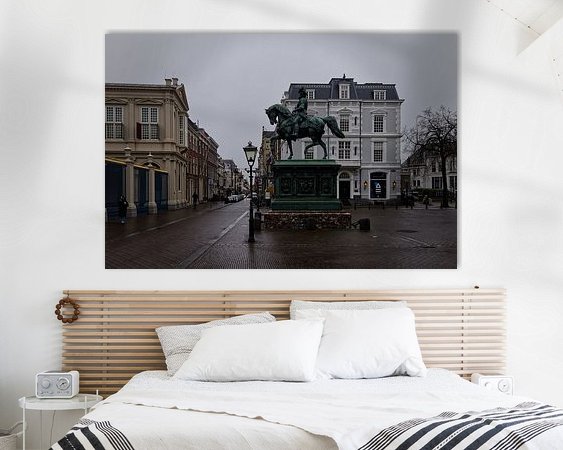
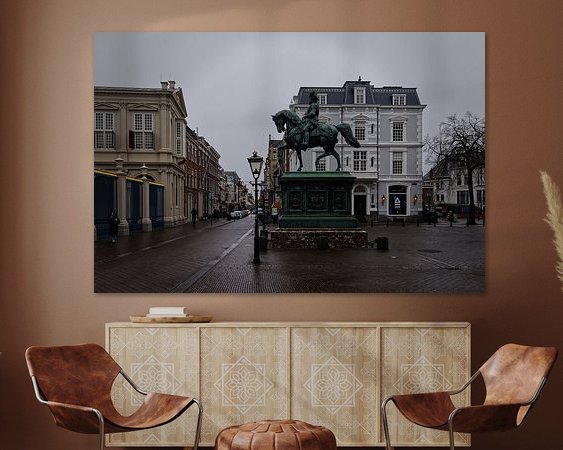
About ‘Power captured in bronze, Noordeinde Palace, The Hague’ by Robert Jan Smit
In front of Noordeinde Palace, in the administrative heart of The Hague, stands the equestrian statue of William of Orange, also known as William the Silent. This monument, created by French sculptor Émile de Nieuwerkerke, is considered the oldest free-standing statue in The Hague, providing a tangible link between the origins of the…
Colors
Discover our ArtFrame
The modern canvas alternative
Your chosen art on a textile print, stretched in an aluminum or wooden frame. Quick and easy to change for a fresh look and exactly as you want it.
- High-quality print
- Easily replaceable
- Acoustic function
- Large formats possible
Meet the artist
Robert Jan Smit
Den Haag, Netherlands
Photography has been my passion since 1975. Whereas in the past I often photographed people, I now mainly focus on photographing landscapes, nature and animals.
Visit shop
Discover the artworks of Robert Jan Smit



Customer reviews
4.8/5
Related collections