

Art code
You can't see it in full detail right now, but you certainly will on your wall soon!
Scroll to zoom in, drag to move the artwork.
Drag with your finger to move the artwork.


Already filled more than 375,000 walls!
Get even more inspired
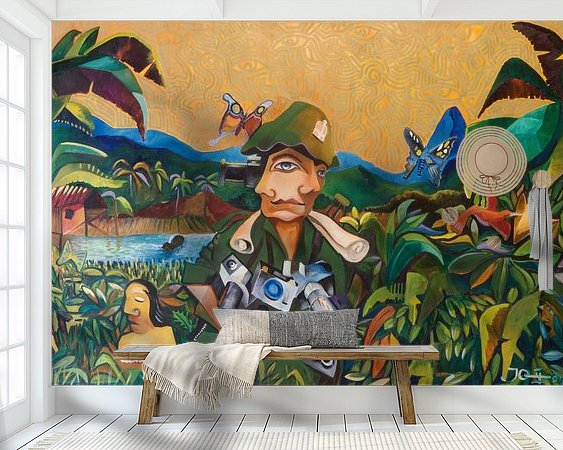
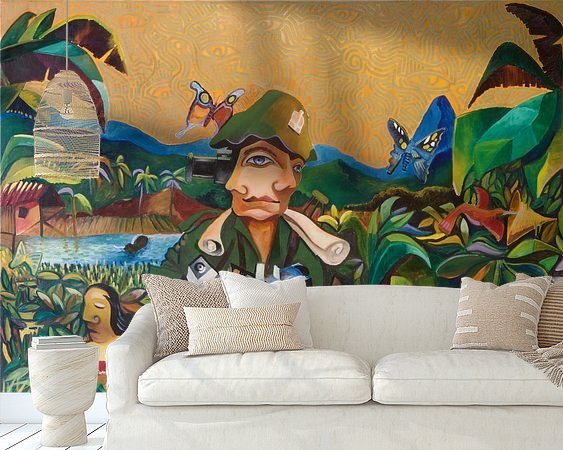
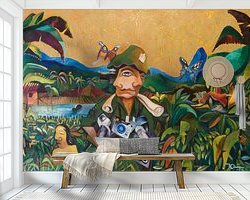
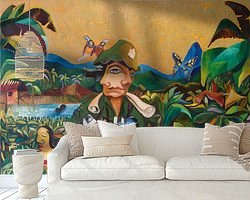
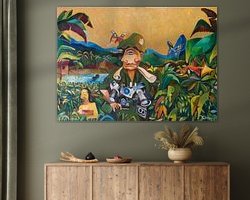
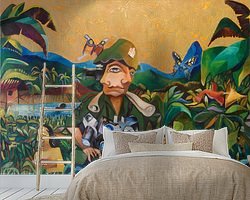
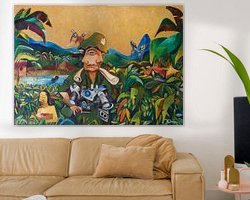
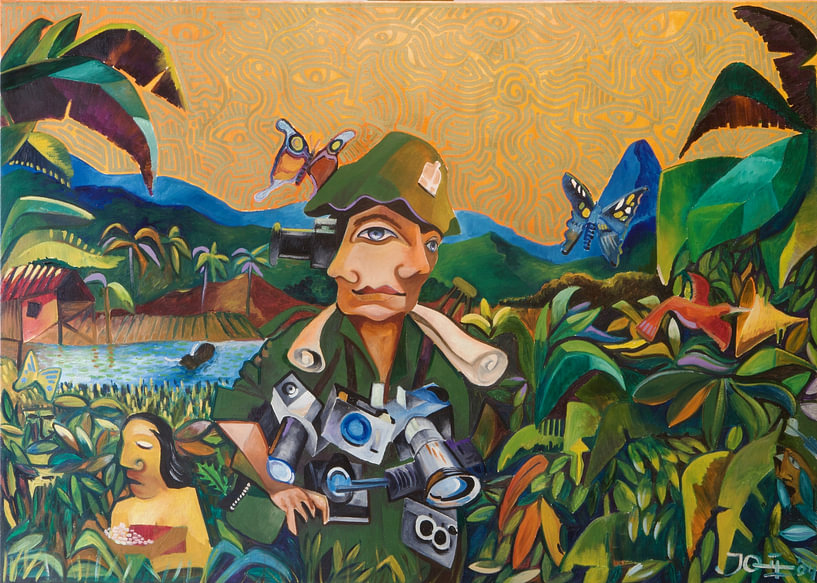
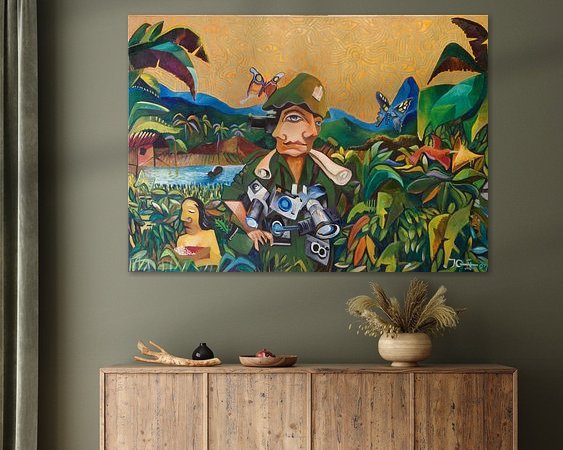
About ‘Tim’ by Jeroen Quirijns
In 1979, Francis Ford Coppola made the anti-war film * "Apocalypse Now"*. Towards the end, Martin Sheen’s character, Captain Willard, encounters an American photographer, a disciple of Colonel Kurtz, played by Dennis Hopper.
The character’s appearance and demeanour were directly modelled on the Dutch set photographer Chas Gerretsen.…
Colors
Discover our ArtFrame
The modern canvas alternative
Your chosen art on a textile print, stretched in an aluminum or wooden frame. Quick and easy to change for a fresh look and exactly as you want it.
- High-quality print
- Easily replaceable
- Acoustic function
- Large formats possible
Meet the artist
Jeroen Quirijns
Oud Gastel (noord-brabant), Netherlands
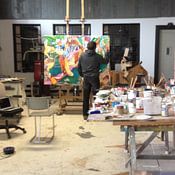
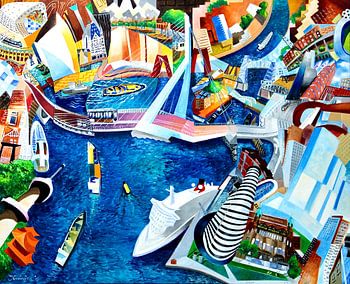
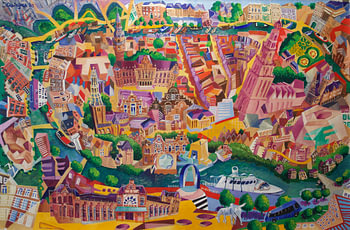
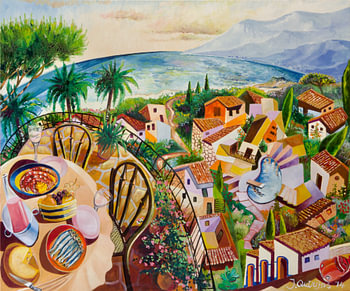
Topics and themes of my work are always "close to home" recognizable for everyone, they are stories/interpretations of reality. Covered tables, city views are like cubist art multi-perspective and each side is interesting in a different way.
Visit shop
Discover the artworks of Jeroen Quirijns







Customer reviews
4.8/5

Related collections