
Art code
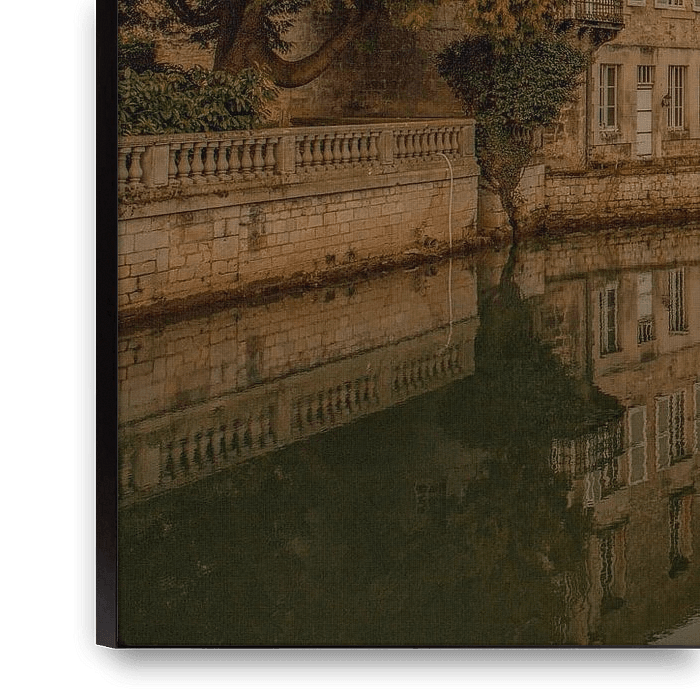
You can't see it in full detail right now, but you certainly will on your wall soon!
Scroll to zoom in, drag to move the artwork.
Drag with your finger to move the artwork.

Already filled more than 375,000 walls!

Get even more inspired
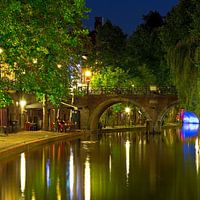
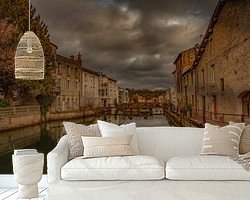
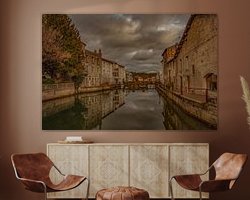
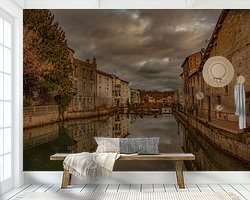
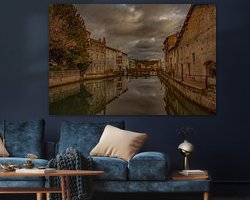
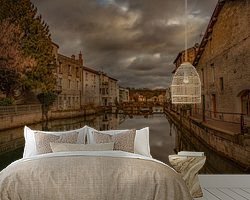
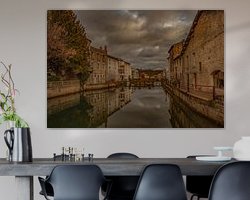
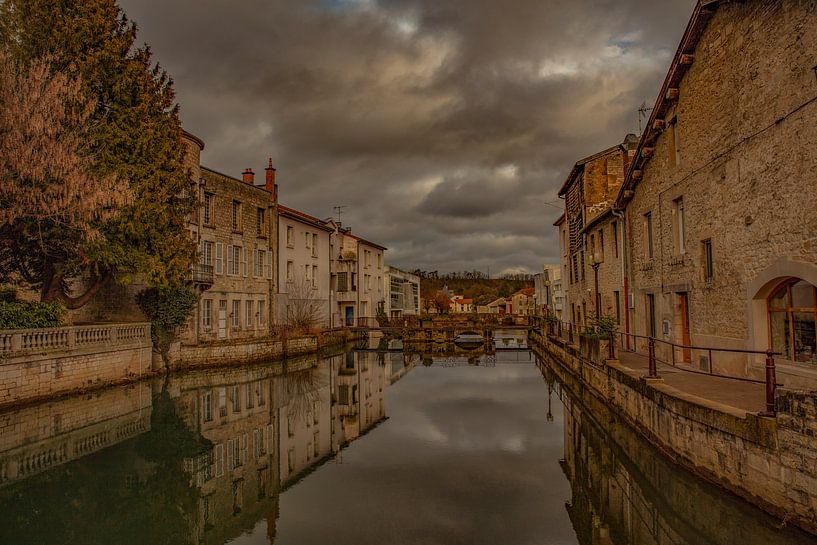
About ‘Joinville-sur-Marne’ by anne droogsma
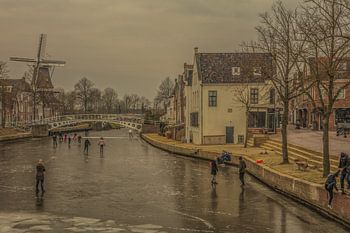
The construction of Joinville Castle in 1027 by Steven van Vaux marks the origins of the principality. This castle was built on the Haute Butte, a hill overlooking a meander of the Marne. In the Middle Ages, the lords of Joinville were among the most important in the Champagne region. Under François de Guise, Joinville was elevated to a…
Colors
Discover our ArtFrame
The modern canvas alternative
Your chosen art on a textile print, stretched in an aluminum or wooden frame. Quick and easy to change for a fresh look and exactly as you want it.
- High-quality print
- Easily replaceable
- Acoustic function
- Large formats possible
Meet the artist
anne droogsma
Netherlands

My name is Anne.
I regularly go out with my camera. I do so with great pleasure and always find gifts appearing on my screen.
This I want to share!
Discover the artworks of anne droogsma










Customer reviews
4.8/5
Related collections