-
More artworks below this tip
Place contemplative scenes in quiet rooms
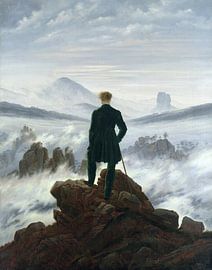
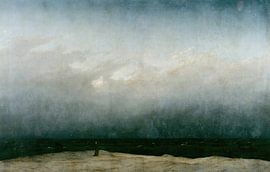
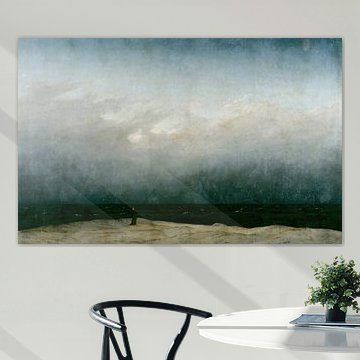
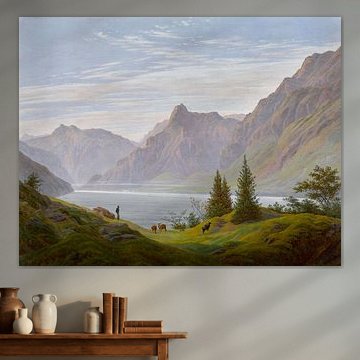
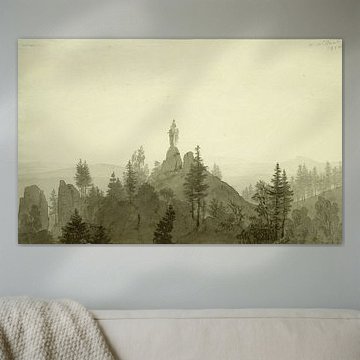
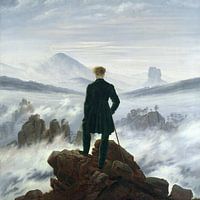
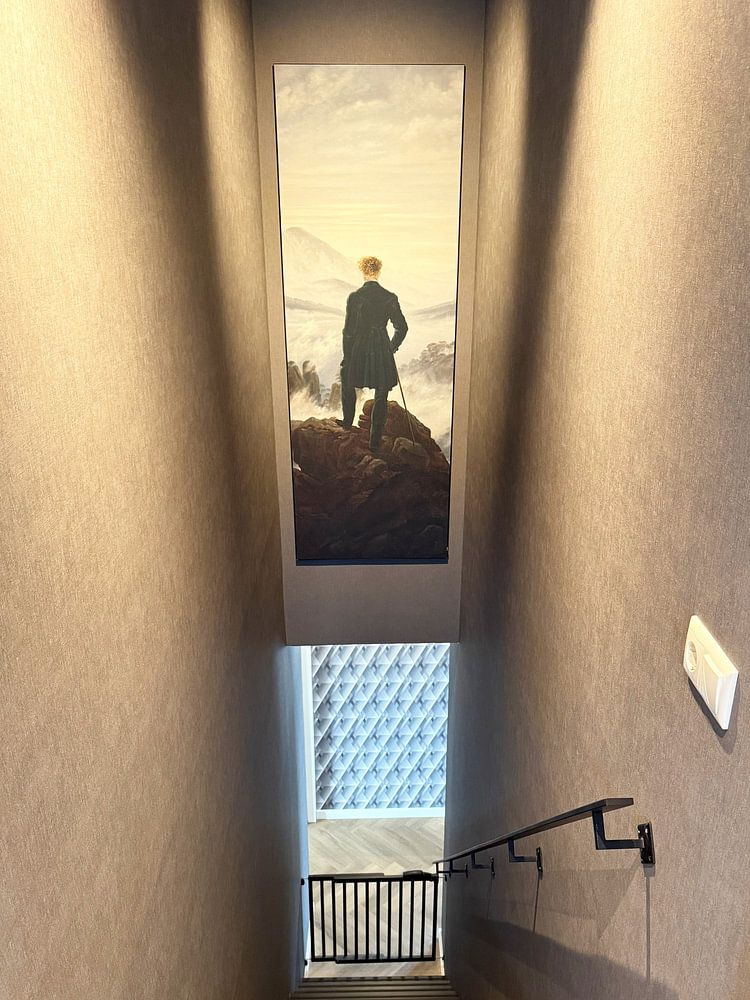
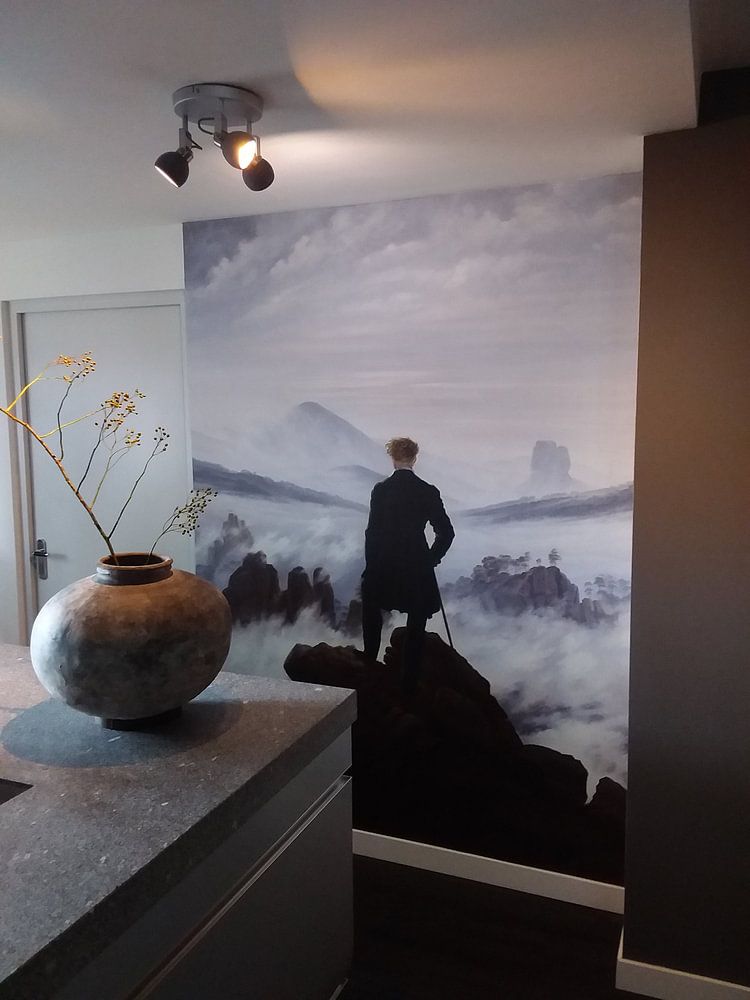
Atmospheric landscapes with solitary figures suit spaces designed for rest and reflection. A bedroom, reading nook, or home office benefits from imagery that encourages calm focus. The misty mountain vista in Wanderer above the Sea of Fog, Caspar David Friedrich brings a sense of stillness to personal spaces where you want to unwind or concentrate.
RosanneStylist & Customer service Questions? Check out our FAQ
 -
More artworks below this tip
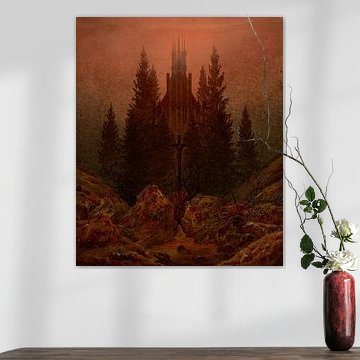
Pair warm earth tones with natural textures
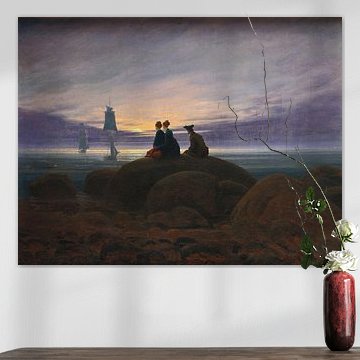
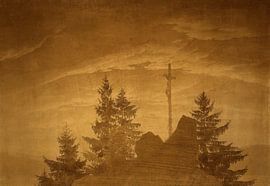
Brown and taupe shades anchor a space without overwhelming it. These colours sit comfortably alongside oak furniture, linen textiles, or terracotta accessories. The rich brown and burgundy palette in The Cross in the Mountains, Caspar David Friedrich complements leather seating, wooden side tables, and woven baskets to create a cohesive, grounded interior.
EileenStylist & Customer service Questions? Check out our FAQ
 -
More artworks below this tip
Choose portrait or landscape to suit your wall
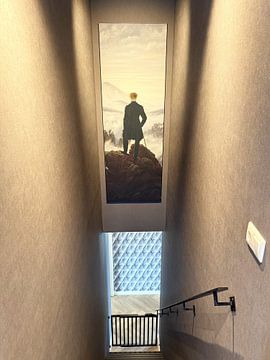
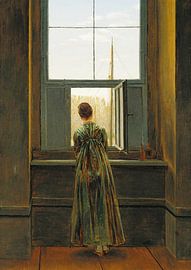
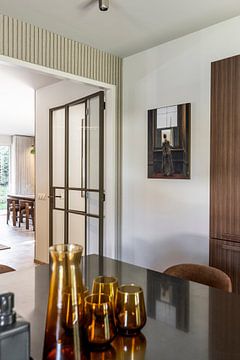
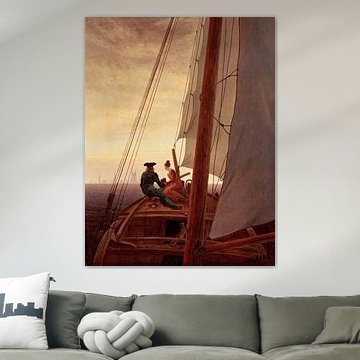
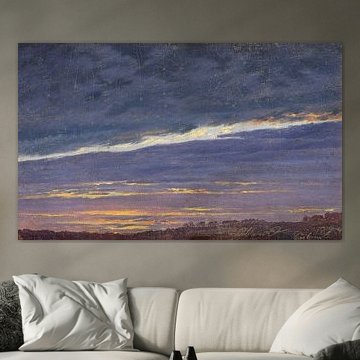
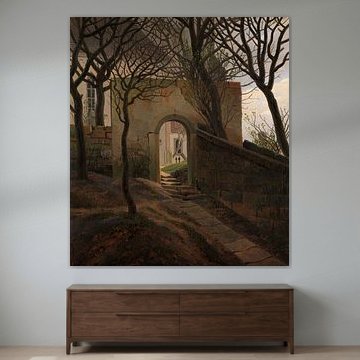
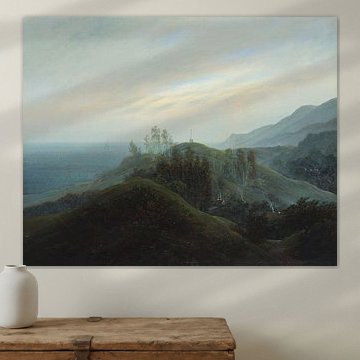
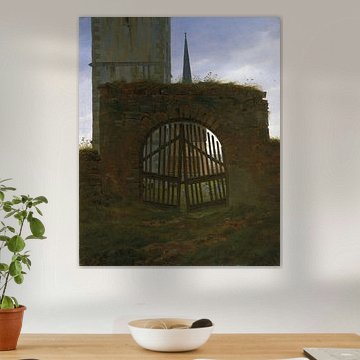
Both portrait and landscape formats are popular for this collection, giving you flexibility depending on your space. Portrait prints suit narrow walls between windows or doors, while landscape formats work well above sofas or sideboards. Choose the orientation that balances your room layout and fills your available wall space naturally.
AnthiStylist & Customer service Questions? Check out our FAQ
Caspar David Friedrich
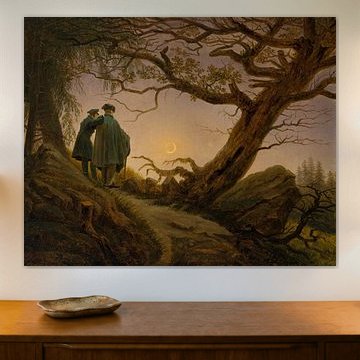
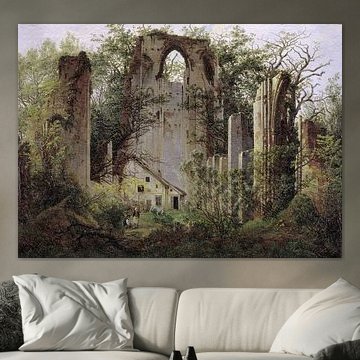
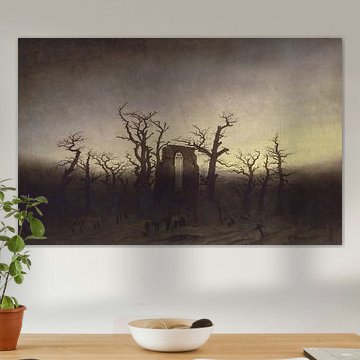
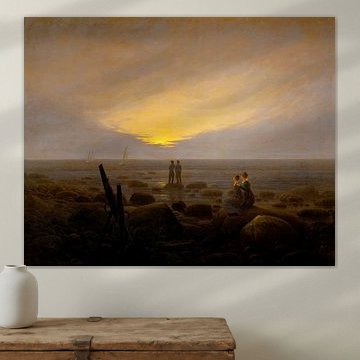
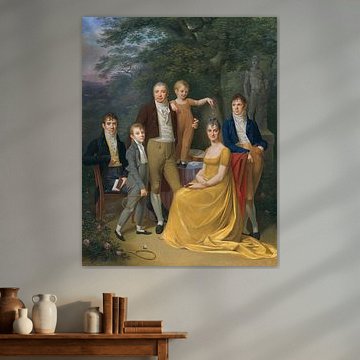
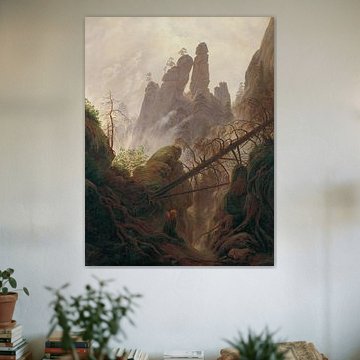
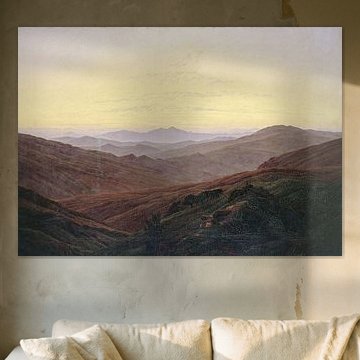
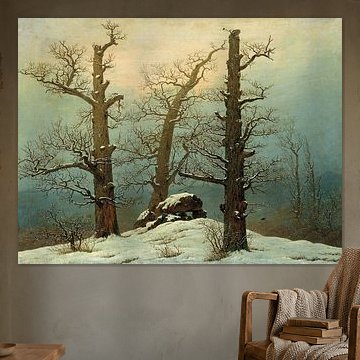
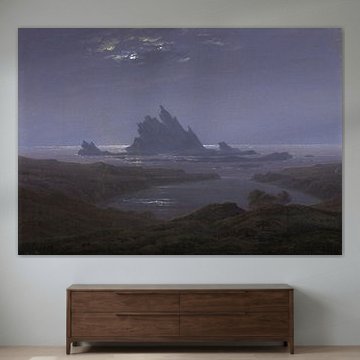
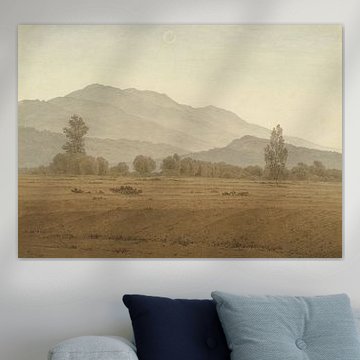
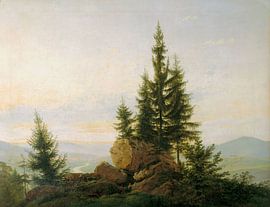
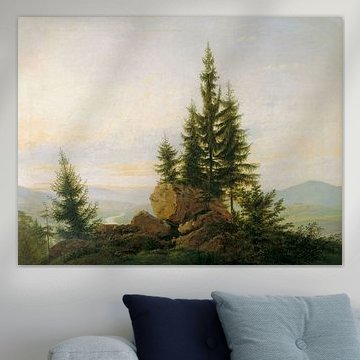
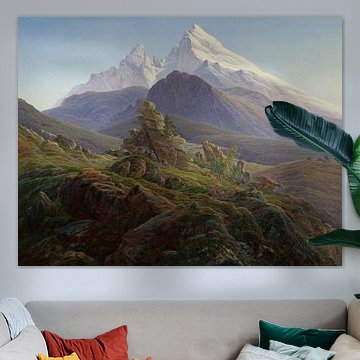
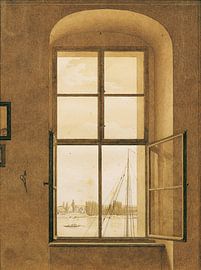
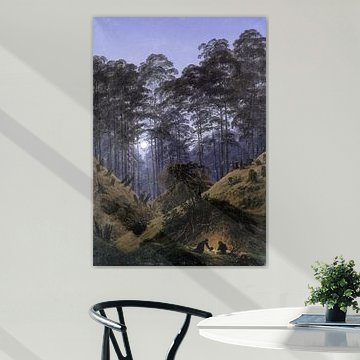
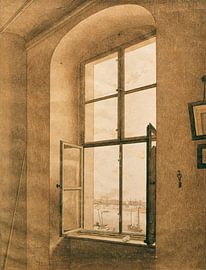
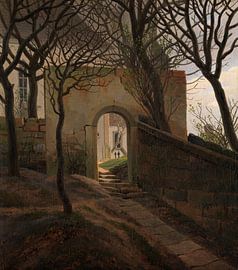
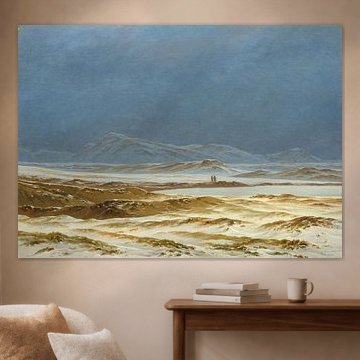
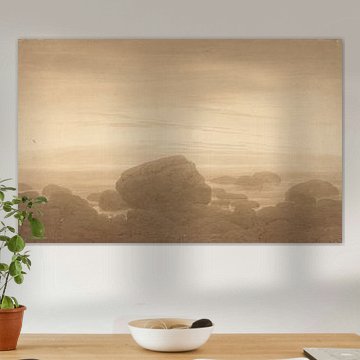
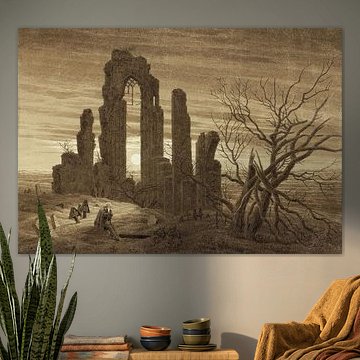
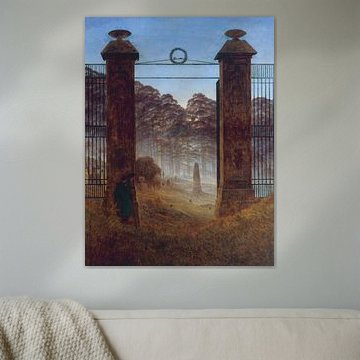
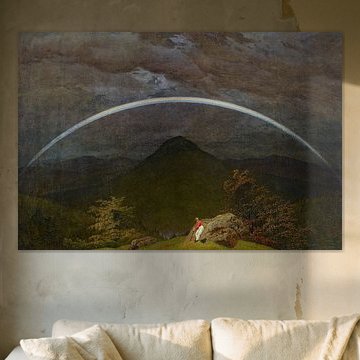
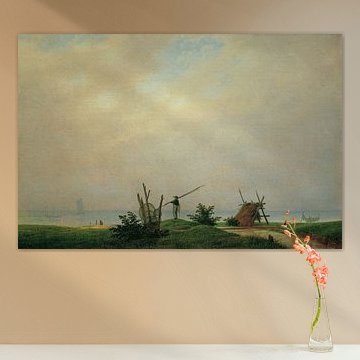
Caspar David Friedrich captures the Romantic sublime through sweeping mountain vistas, solitary figures, and atmospheric skies. His palette moves from serene blues and greys to warm golds and mauves, evoking calm and quiet contemplation. These expansive landscapes suit contemporary and classic interiors alike, bringing depth without overwhelming a room.
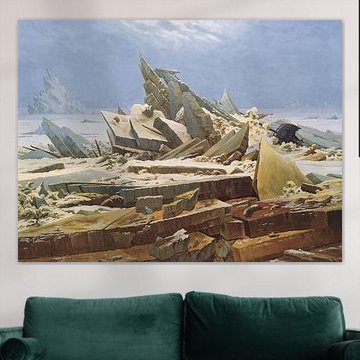
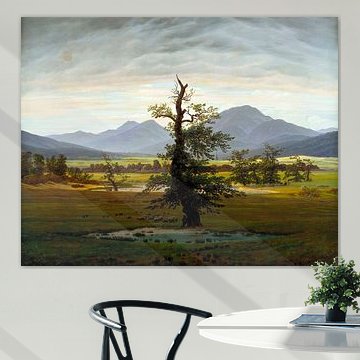
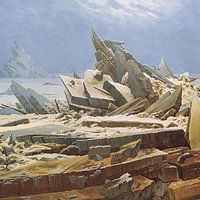
Works like The Sea of Ice, Caspar David Friedrich reveal his mastery of light and texture, while misty mornings and lone trees anchor his meditative vision. At Art Heroes, we print each piece to order - choose Canvas, Poster, ArtFrame™ and more to match your space.

























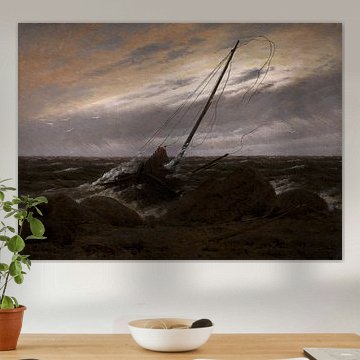


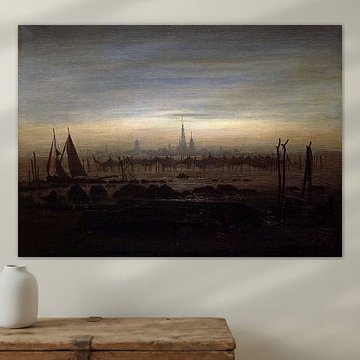













Be sure to check out the creative new masters
Our artists have created artworks inspired by the old masters.

Trusted and loved
Customers rate us 4.8!
High-quality materials
Sustainable and long-lasting beauty
Different sizes
From small to large, anything is possible.
Made for you
Made the moment you order.
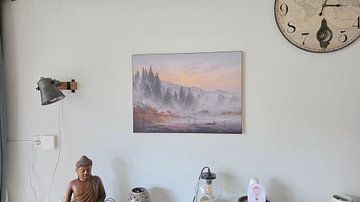
How they hang in other homes
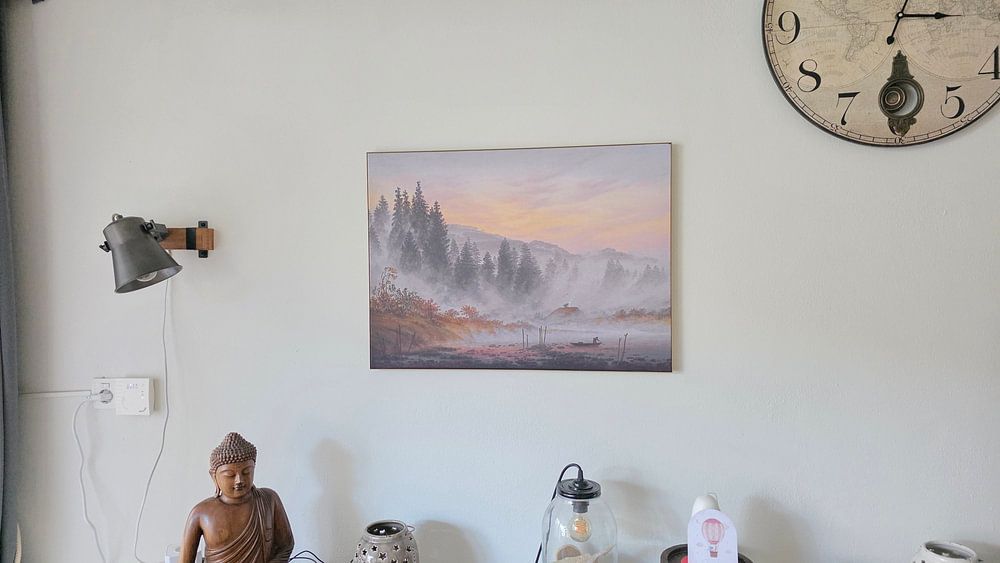
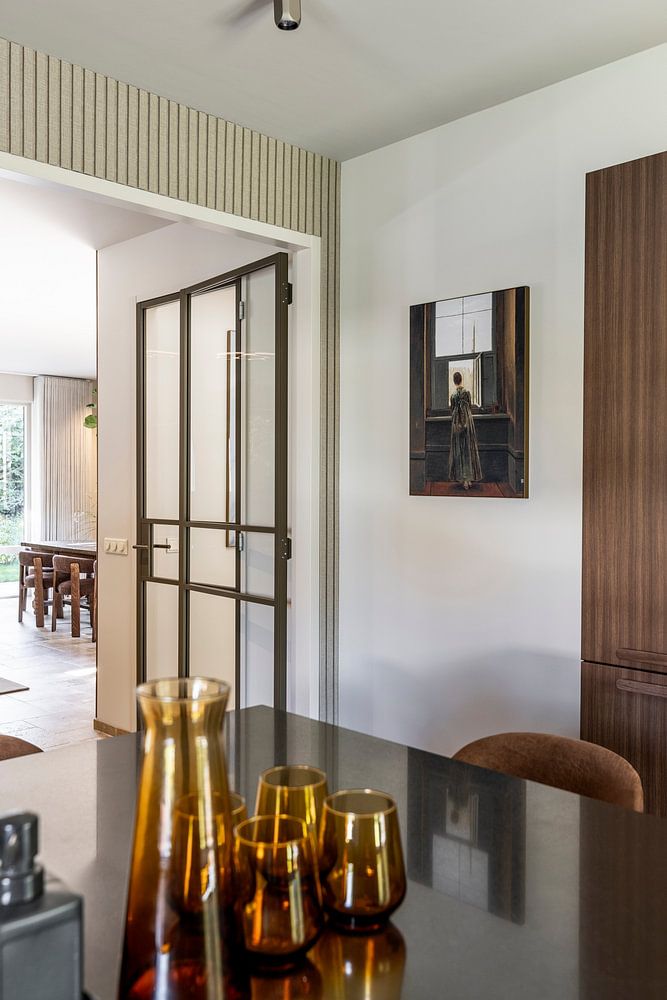
Get inspired by beautiful artworks on other people's walls and see how they truly enhance an interior.


More like this




Where do Caspar David Friedrich artworks work well in your home?
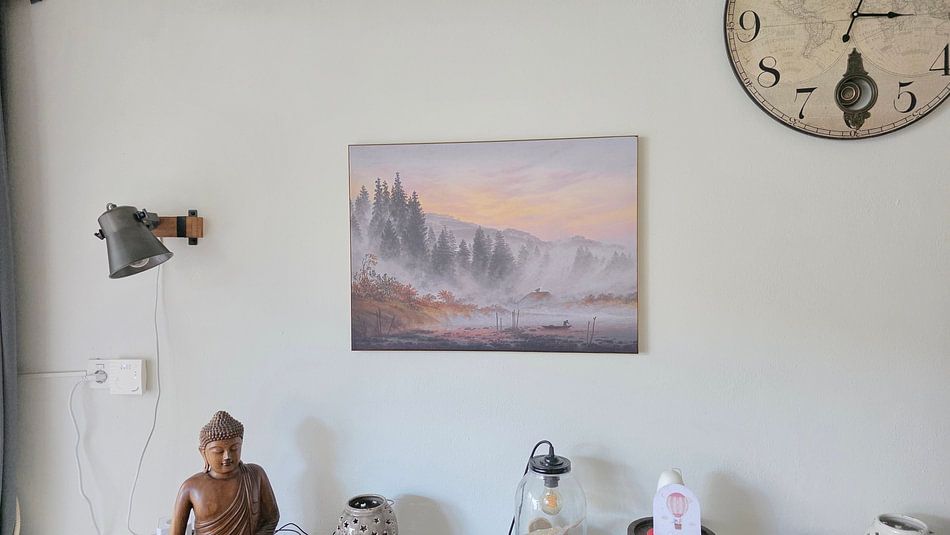
The bedroom is a good spot for Caspar David Friedrich artworks. The calm, mysterious atmosphere in his paintings creates a contemplative mood that supports rest and reflection. These works pair naturally with neutral textiles and muted wall colors that echo the brown, beige, and taupe tones present in the collection. Consider placing a landscape-oriented piece above your bed or on the wall opposite, where you can appreciate the depth and quietness of the scenes as you unwind.
How to combine Caspar David Friedrich with other decor
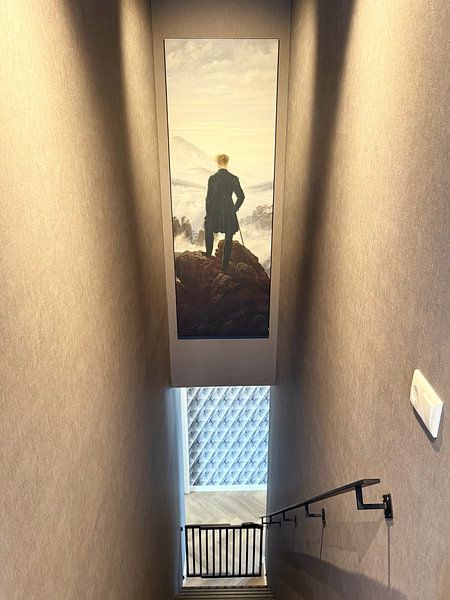
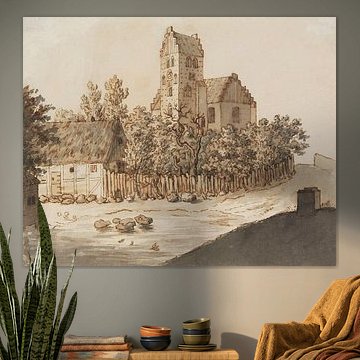
Caspar David Friedrich artworks blend well with minimalist interiors and natural materials. The melancholic mood in these paintings complements soft lighting, wooden furniture, and simple accessories that don't compete for attention. You might group several pieces in similar earth tones to create a cohesive gallery wall, or pair a single landscape with plants and linen cushions to bring warmth into the space. The muted palette works especially well alongside bronze accents and mauve textiles. Let the quiet drama of these scenes set the tone for a space that invites pause and contemplation.
Which format suits Caspar David Friedrich best?
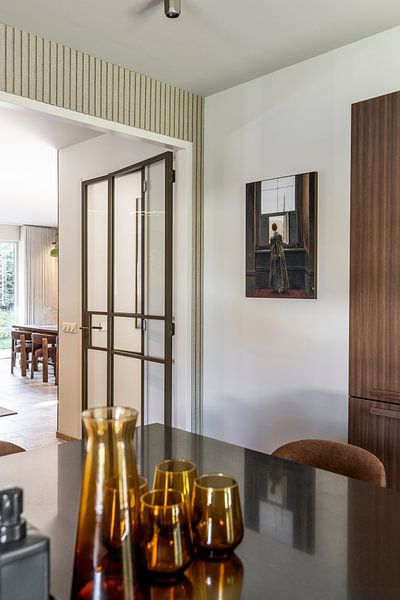
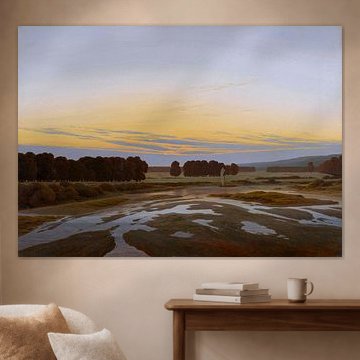
Landscape format works particularly well for Caspar David Friedrich artworks, as it mirrors the expansive horizons and wide vistas often present in his paintings. This horizontal orientation suits placement above a sideboard, desk, or along a hallway wall where the eye can follow the composition from side to side. Portrait format can be a better choice for narrower walls or when you want to emphasize vertical elements in the scene, such as trees or architectural details that draw the gaze upward.